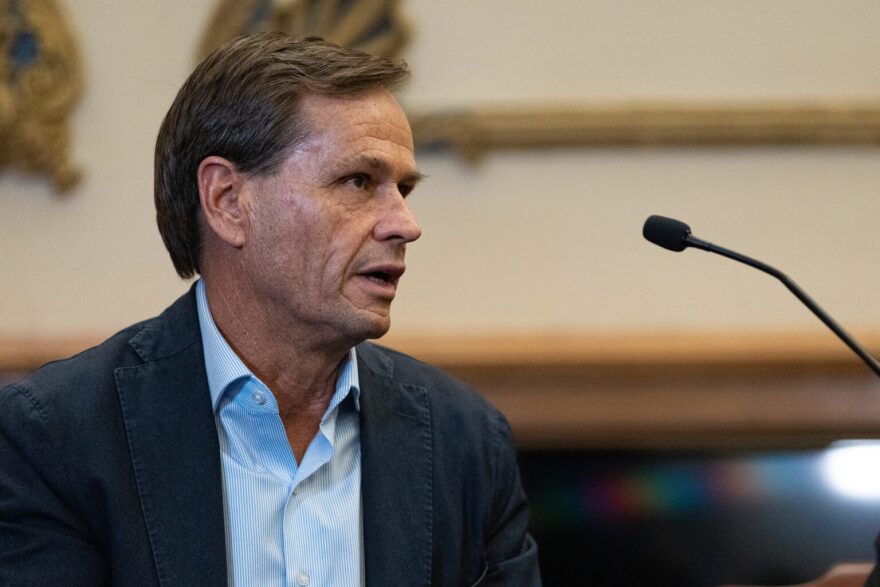
Economic growth works best when it feels close to home. People want jobs that last, towns that feel stable, and leaders who understand both business and community needs. Indiana has followed this steady path for years, and much of that progress comes from leaders who value practical action over noise. One name often linked with this steady approach is Brad Chambers. His work connects policy, business sense, and long term planning in a way that feels grounded and clear.
This blog looks at how leadership, focus, and local understanding shape Indiana’s economic story and why that matters to everyday residents.
Brad Chambers Indiana economic development and a steady leadership style
When people talk about Brad Chambers Indiana economic development efforts, they often point to consistency. Chambers brings a business mindset that values results and accountability. His background helps him understand what companies need when choosing where to grow. At the same time, he shows respect for local workers and communities.
His leadership style avoids grand promises. Instead, it focuses on clear goals and steady follow through. This approach helps Indiana compete with larger states without losing its identity. Companies want reliability, and that is what this style delivers.
Key ideas often tied to his work include:
- A focus on long term job growth rather than short term wins
This mindset builds trust with both investors and residents. It also supports rural and urban areas alike, which keeps growth balanced across the state.
Building trust between government and business
How Brad Chambers Indiana economic development thinking supports collaboration?
Trust sits at the center of any strong economy. Businesses need clear rules. Communities need leaders who listen. The Brad Chambers Indiana economic development approach often highlights cooperation between state leaders and private companies.
Instead of forcing solutions, this model encourages open discussion. Business leaders share concerns about taxes, infrastructure, and workforce skills. State officials respond with policies that aim to solve real problems. This back and forth reduces friction and speeds up decisions.
One simple example is site readiness. When Indiana prepares land with utilities and transport access, companies can move faster. This saves time and cost, which matters in competitive markets.
The result is not flashy. It is functional. That is often what makes it effective.
Workforce development as a core priority
Jobs matter only if people can fill them. Indiana has focused on training programs that match real employer needs. Chambers has often stressed the value of skills over titles. This view supports vocational training, apprenticeships, and partnerships with local schools.
Workforce planning looks at what industries need now and what they will need later. Manufacturing, logistics, and life sciences all require different skills. Indiana works to meet those needs through practical education paths.
This helps young people stay in the state. It also helps adults switch careers without leaving their communities. A strong workforce keeps companies rooted and towns stable.
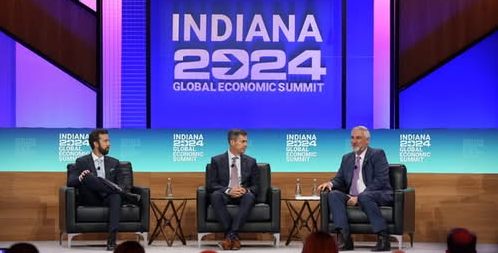
Why local impact matters more than headlines?
Economic success does not always show up in national news. It appears in smaller ways. A new plant opening. A local supplier hiring more staff. A town seeing steady growth instead of decline.
Chambers often speaks about impact at the local level. Policies should help families, not just balance sheets. When people see progress in their own towns, confidence grows. That confidence feeds further investment and stronger communities.
This approach also protects Indiana during uncertain times. A diverse and balanced economy can handle change better than one built on a single industry.
Conclusion
Indiana’s economic story reflects steady leadership and practical choices. Brad Chambers represents a style that values clear goals, honest partnerships, and local impact. The focus stays on real jobs, skilled workers, and communities that can grow without losing their character.
This calm and direct approach may not chase attention, but it builds results people can feel. For Indiana, that steady progress matters more than bold promises.